Wallpaper and wall panels are bold purchases. A pattern or texture covers an entire wall, often in the room people see most. When the result does not match expectations, the shopper is disappointed, and the retailer faces a return that is expensive to handle, especially for long panels and heavy rolls.
Most returns in this category come from a small number of predictable gaps between what the shopper imagined and what arrived. This guide covers each one, and how to close it on the product page and in the buying process.
Why wallpaper and panels get returned
Talk to anyone who handles returns in this category and the same reasons come up:
- Scale. The pattern was much larger or smaller on the wall than it looked online.
- Colour. The colour or background tone looked different in the room than on screen.
- Texture and finish. A shopper expected a matt paper and received a sheen, or expected deeper panel grooves.
- Quantity. Too many or too few rolls or panels were ordered.
- Fitting. The product turned out to be harder to hang than expected, or did not suit the wall.
- Damage. Panels or rolls arrived damaged in transit.
Each of these can be reduced. None can be removed completely, so the goal is to set accurate expectations and make good decisions easy.
Show pattern scale clearly
Scale is the most common mismatch for wallpaper. A small product image cannot show how large a repeat really is.
What to include
- The pattern repeat in centimetres or inches, and the match type (straight match, offset or half-drop, free match), with a one-line explanation of what that means.
- A full-wall photo in a real room, so shoppers can see how many repeats sit across a wall.
- A close-up at actual size, labelled as such, so shoppers can judge detail.
- A reference object in room photos, such as a chair, a door or a light switch.
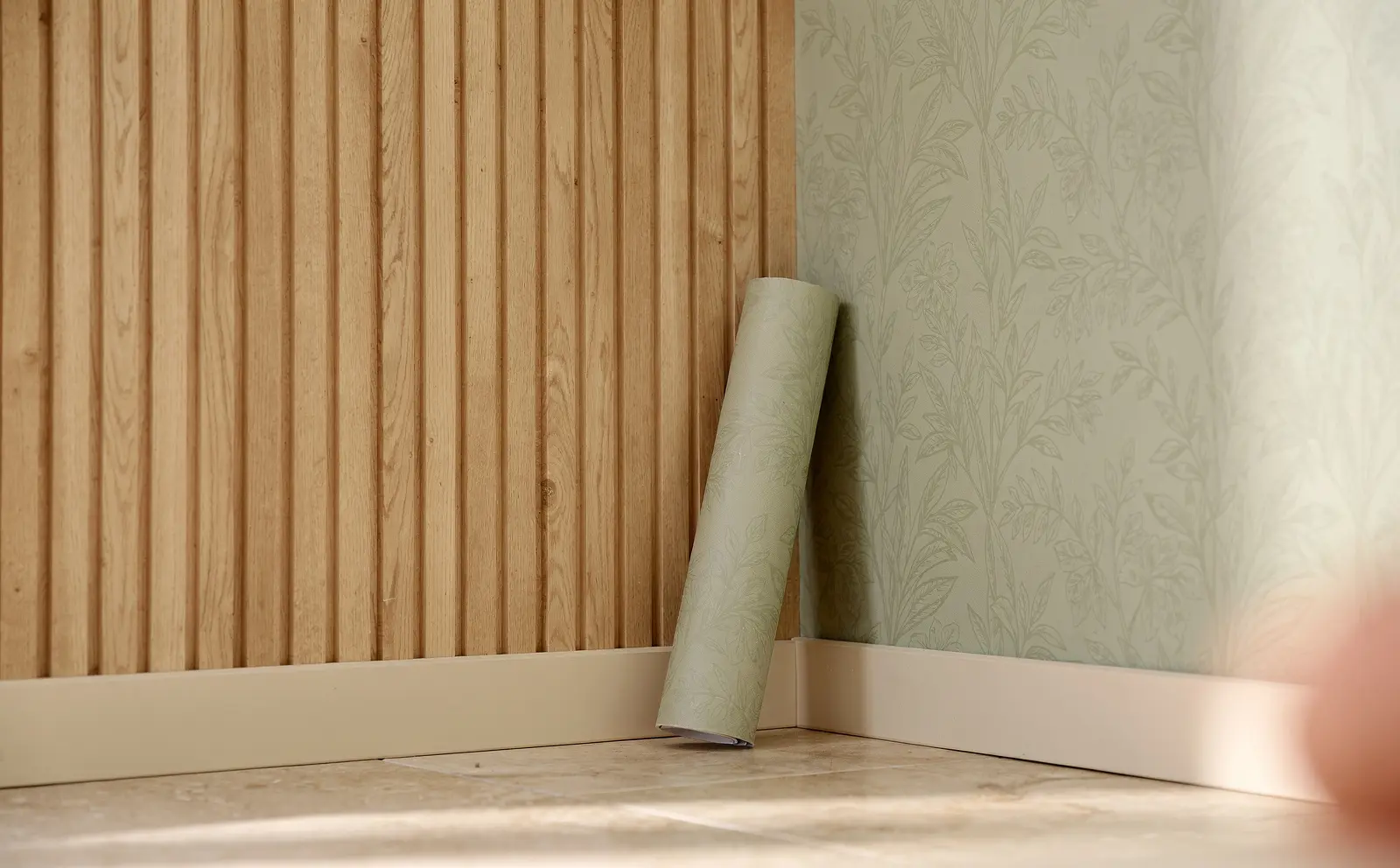
For wall panels, show the panel width, height, depth and the spacing of slats or grooves, with a photo of a whole wall and a close-up at an angle to show depth.
Get colour and texture across honestly
Colour
- Photograph every design in daylight with a consistent setup.
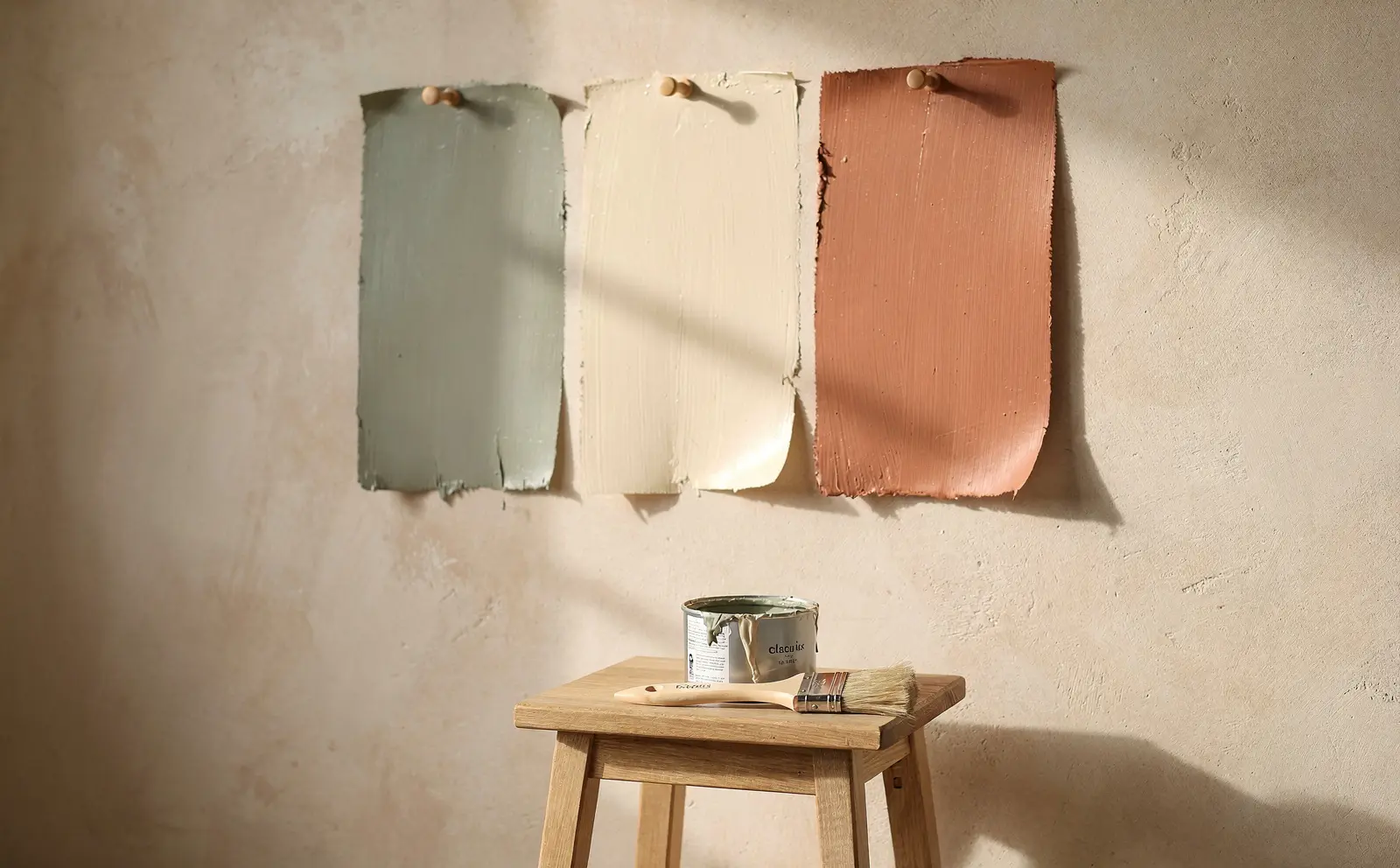
- Describe the colours in words, including the background tone: warm white, cool grey, soft sage.
- Show at least one room shot per colourway.
- Warn about batch variation and advise ordering all rolls from the same batch.
Texture and finish
- Describe the finish (matt, satin, metallic highlights, embossed, textured vinyl, non-woven) and how it catches the light.
- Use close-ups lit from the side to show texture.
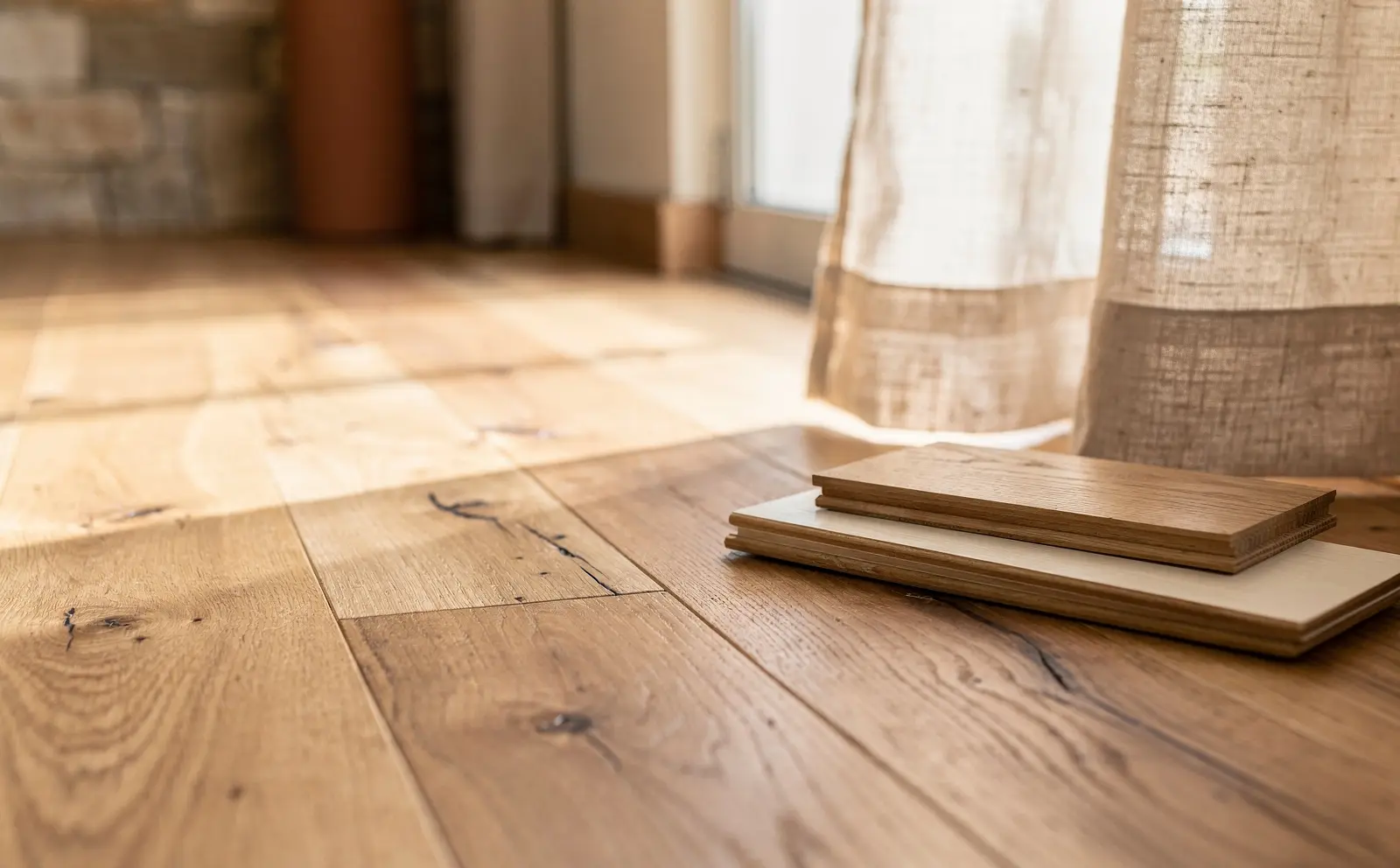
- For panels, show the edge profile and the material: solid wood, veneer, MDF, acoustic felt backing.
Make quantities easy to get right
Ordering the wrong quantity leads to returns of extra rolls, or to delays and batch mismatches when shoppers have to reorder.
A good calculator
A wallpaper calculator should ask for:
- the width and height of each wall
- doors and windows to subtract, if the shopper wants to
- the roll size and pattern repeat of the chosen product, applied automatically
It should then give the number of rolls, with an allowance for pattern matching and trimming, and explain briefly why. For panels, ask for wall width and height, and return the number of panels and any trims or adhesive needed.
Explain how to measure
A short guide with a simple diagram on measuring walls prevents most quantity mistakes. Link it next to the calculator.
Be clear about fitting
Shoppers should know before ordering what hanging or fitting involves:
- Paste type: paste-the-wall, paste-the-paper or pre-pasted.
- Tools and skills needed, and whether a confident beginner can do it.
- Wall preparation: smooth, clean, primed surfaces, and what to do on uneven walls.
- Panel fixing method: adhesive, screws, battens or clips, and whether panels can be cut to fit around sockets.
- Suitable rooms, such as whether a paper or panel suits bathrooms and kitchens.
Short videos or step-by-step photo guides work well here. They also help shoppers who are deciding between products.
Use samples well
Samples remain one of the most effective ways to reduce returns in this category.
- Offer wallpaper samples large enough to show at least part of the repeat, and say how big they are.
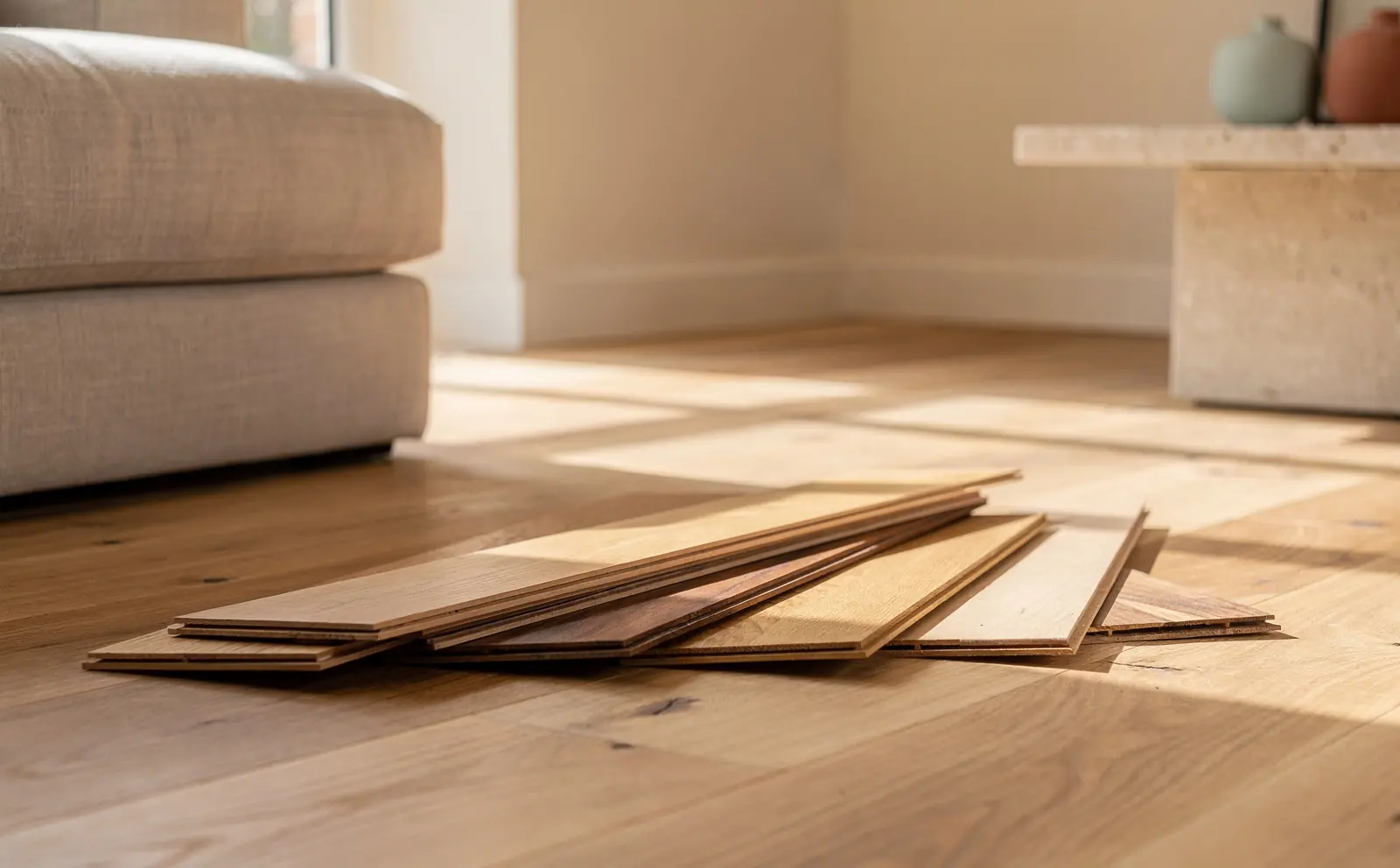
- For panels, offer a small offcut that shows material, colour and profile.
- Encourage shoppers to tape samples to the wall they plan to cover and look at them at different times of day.
- Follow up after samples are delivered with a link back to the products they chose.
Let shoppers see the design on their own wall
Room photos help, but they show someone else's room. Seeing a pattern on their own wall, at the right scale, with their own furniture and light, closes much of the gap between imagination and reality.
A wall visualizer on the product page lets the shopper upload a photo, select the wall and apply the wallpaper or panel. For this to reduce returns rather than create new disappointment, it needs to:
- keep the pattern at the correct scale, using the product's real repeat and roll width
- follow the wall's perspective and lighting, so the result looks like a real wall
- handle obstacles such as doors, windows and furniture
- let shoppers compare several designs and colourways on the same wall
- link directly to samples and the calculator, so the next step is easy
The wall visualizer is designed around these points, and covers paint, wallpaper and panels on the same photo. As with any visualization, present it as a way to compare and choose, with samples as the final check.
Reduce damage in transit
Some returns have nothing to do with the decision. Rolls can be crushed and panel corners can be chipped in delivery. Review your packaging, especially for long panels, and track damage reports by product and carrier. A small change to packaging can remove a whole category of returns.
Learn from every return
Ask for a return reason, with simple options and a free-text field, and review the reasons monthly by product. Patterns show you exactly what to fix:
- returns for scale on one design: improve its room photos and add the repeat to the first image
- returns for colour: re-photograph it and improve the description
- returns for quantity: check the calculator settings for that roll size
Where Ardealy fits
Ardealy gives wallpaper and panel retailers a visualizer that applies your designs to the shopper's own wall at the correct scale, alongside a shopping assistant that answers fitting and quantity questions from your catalogue. You approve anything that is published or sent. See the wallpaper and wall panels page for how it fits together.
FAQ
What is the most common reason wallpaper is returned?
Pattern scale and colour expectations are common reasons, along with ordering the wrong quantity. Clear repeat information, honest photography and a good calculator address most of these.
How big should wallpaper samples be?
Large enough to show at least part of the pattern repeat. State the size on the page so shoppers know what to expect.
Can a visualizer show the correct pattern scale?
A good one uses the product's real repeat and roll width and follows the wall's perspective, so the scale is close to reality. Samples remain the final check.
Should we accept returns on opened rolls?
That is a business decision. Many retailers accept unopened rolls only. Whatever you decide, state it clearly on the product page.
How can we reduce damage to wall panels in delivery?
Review packaging for long items, protect corners and edges, and track damage reports by product and carrier so you can spot problems.